
War With Iran Is Hitting Americans at the Gas Pump — and in Their Wallets

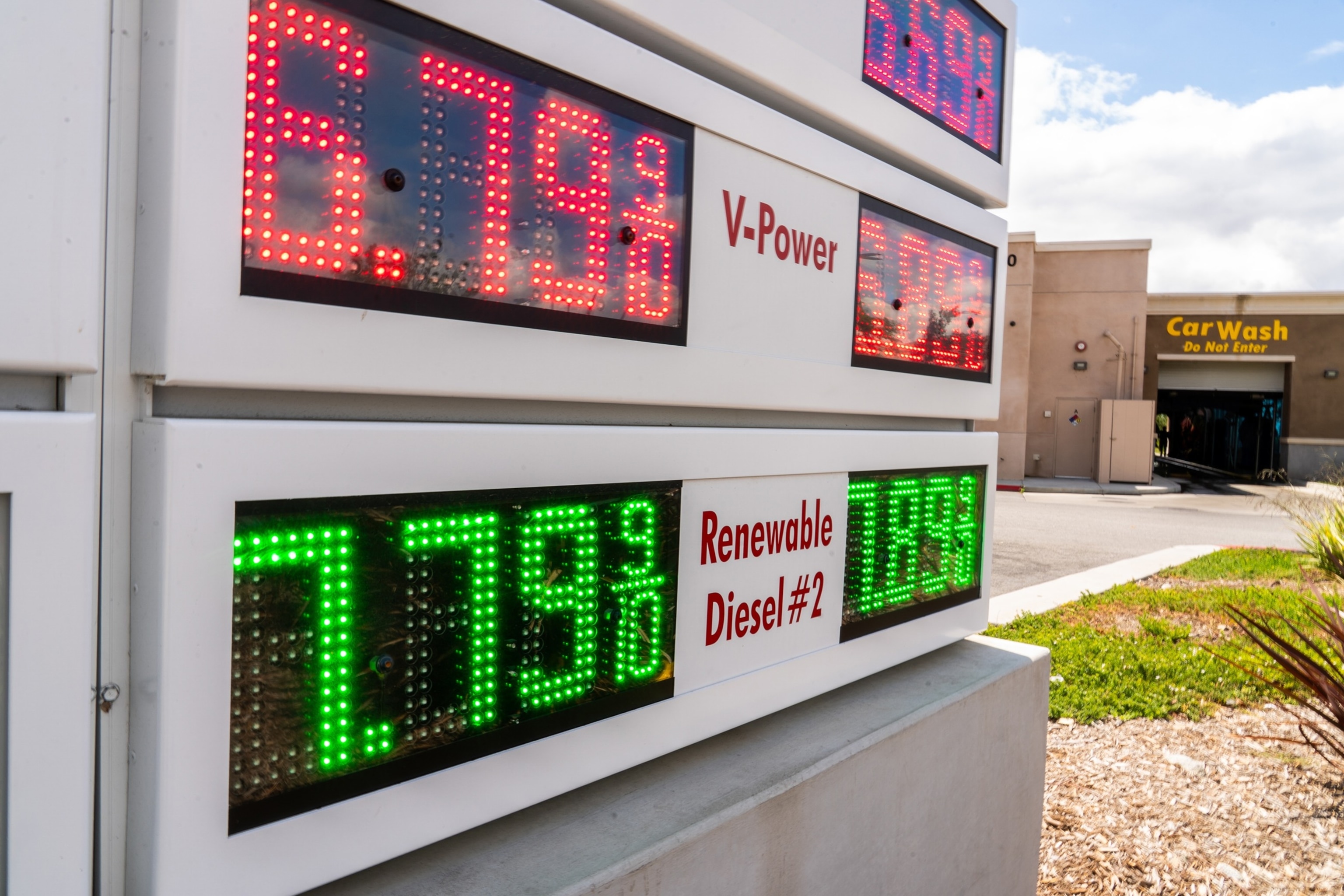
For millions of American families, the ongoing U.S. military conflict with Iran is not just a foreign policy story — it is showing up directly in their budgets, at the gas pump, and in the grocery store. A new poll shows the financial pain is widespread, and for many households, it is getting harder to keep up with everyday costs.
A joint ABC News/Washington Post/Ipsos poll found that half of all Americans expect gas prices to climb even higher over the next year. At the same time, 4 in 10 Americans say they are not as financially well off as they were when President Donald Trump began his second term in January 2025. Nearly one in four said they are actively falling behind.
The conflict has disrupted a critical artery of the global oil supply. Iran's government responded to U.S. military action by blocking the Strait of Hormuz, a narrow waterway through which roughly 20% of the world's traded oil normally flows. That disruption has sent fuel prices surging and is rippling through the broader economy.
Families Cutting Back on Basics
The poll's findings go beyond just dissatisfaction — they reflect real changes in how Americans live day to day. More than 4 in 10 respondents said they have cut back on driving (44%) or reduced household spending (42%) because of higher gas prices. Another 34% said they have had to alter or cancel travel and vacation plans.
The burden falls hardest on lower-income households. Among Americans earning less than $50,000 per year, more than half said they have already reduced both driving and general household expenses.
Jacob Olson, 28, of Beebe, Arkansas, knows that pressure well. After losing his job as a warehouse manager when his employer — a solar company — went bankrupt, Olson started his own small business making custom wood products like storage racks. The work requires him to drive regularly to visit customers, meaning rising fuel costs hit him directly.
"One day at a time," Olson said. "One foot in front of the other. ... That's about the way to sum it up."
With two young children — one just a month old — Olson says there is no room in his budget for anything beyond the essentials.
"I don't really do anything, you know, for leisure or luxury anymore," Olson said. "It's all kind of just getting the bills paid ... I have a 1-year-old, and I just had another baby about a month ago, so I've got two little ones, and every day it's getting harder."
No Car, No Easy Options
Brenda Howard, 66, of Lubbock, Texas, faces a different but equally difficult challenge. She does not own a vehicle, so she depends on rideshare services like Uber and Lyft to run errands and get to her job as a cleaner. As gas prices have climbed, so have rideshare fares — a single trip to the grocery store now costs her around $30.
"This is not the way I thought my retirement was gonna turn out," Howard said. "I never dreamed that it would be a day-to-day struggle, sometimes hour to hour."
Martha Davis, 66, lives in Tool, Texas, and cares full-time for her disabled son. Medical appointments sometimes require her to drive as far as 60 miles from home. What used to be a manageable expense has become a significant financial strain.
"I used to get back and forth on like $20, $25, but now it's almost 70 bucks," Davis said.
Mixed Views on Leadership, Shared Frustration Over Prices
The financial stress is cutting across political lines. Andy Breedlove, 51, from West Virginia, says he still supports President Trump's performance in his second term, but he acknowledges that gas prices are too high. Breedlove, who is not currently working due to a disability, suspects fuel costs will keep rising as the war continues.
"But with the price of everything else, it kind of evens out a little," Breedlove said.
Jim Piper, 36, of Portage, Indiana, also lives on a fixed income due to a disability and says he has been doing worse financially since the start of the second Trump administration. He blames political gridlock between the two parties rather than any single leader.
"I got to pay more, even though I'm not making more," Piper said.
Not everyone is as measured in their assessment. Jacob Olson expressed frustration with the administration's communication about the conflict.
"He hasn't made a clear statement on why ... we're actually participating at all," Olson said. "From what I know, there's been a lot of just lying and, you know, not being transparent, and ... a big lack of professionalism, which I don't appreciate coming from the president."
Christopher Mosley, 43, a former Walmart employee from Fort Smith, Arkansas, described Trump as "reckless" on foreign policy.
Overall, 61% of Americans surveyed said they believe the decision to go to war with Iran was a mistake, according to the ABC News/Washington Post/Ipsos poll.
As for when relief might arrive, the timeline remains unclear. Trump said in early April that gas prices might hold steady or even increase before the midterm elections. On May 1, he struck a more optimistic tone, saying prices would come "tumbling down" once the conflict ends. Iran is currently reviewing a U.S. proposal aimed at ending the war, according to a spokesman for Iran's foreign ministry.
With midterm elections approaching, the financial strain felt by voters across the country is expected to play a significant role at the ballot box. Democrats are already positioned to make gains, and Trump has described a potential shift in congressional power as a serious threat to his presidency's agenda.